

The Business of Collecting: Turning Art, Weapons, and Accessories into Profitable Assets

At the auction block: collectors turn passion into profit, where art, weapons, and luxury accessories are transformed into investment-grade assets.
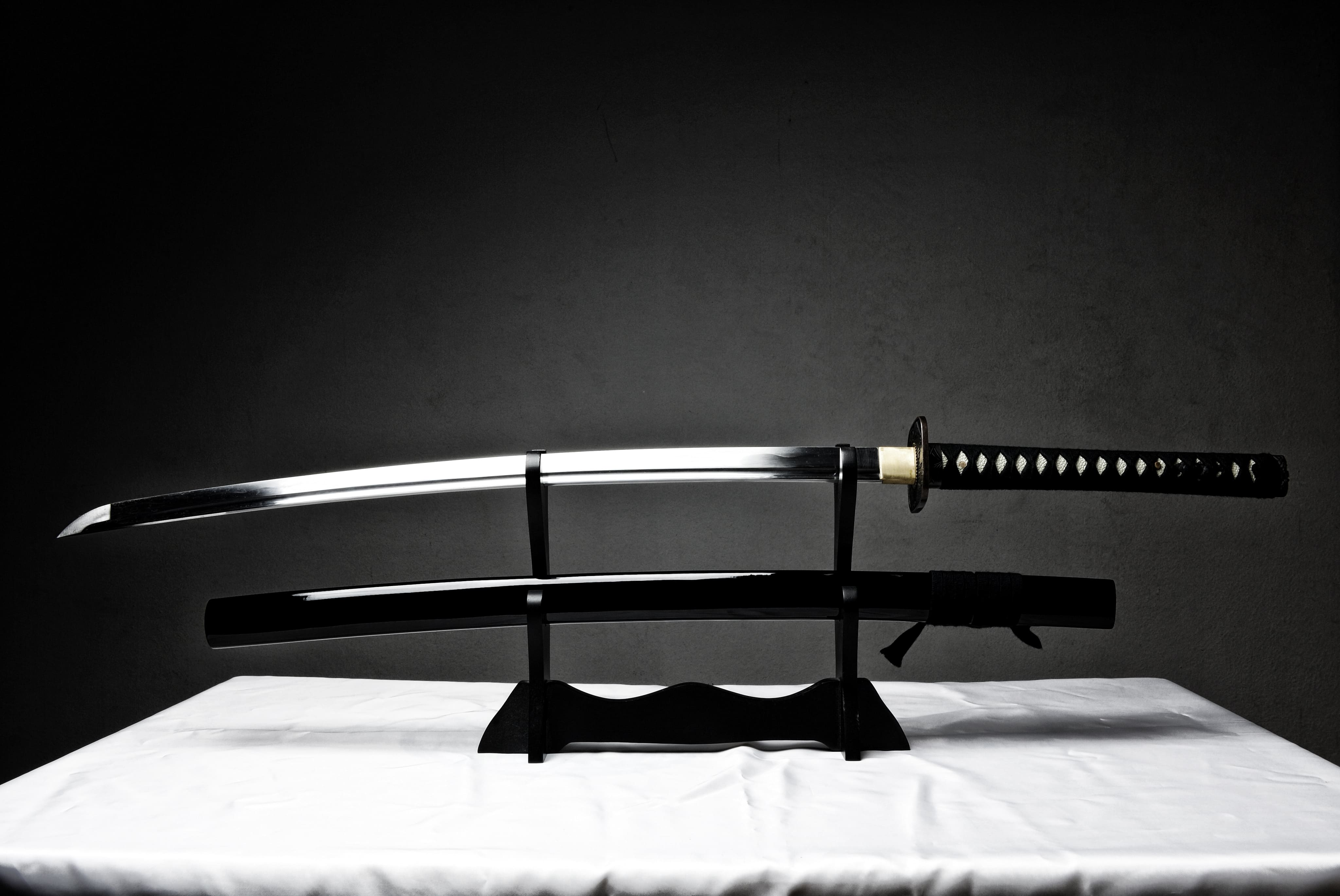
A finely crafted samurai sword on display—an example of how historical weapons, valued for their rarity and cultural significance, are increasingly recognized as investment-grade collectibles.

A rare Hermès crocodile-skin Birkin bag—an example of how luxury accessories have moved beyond fashion to become sought-after investment assets in the global collectibles market.
999Precious explores how strategic collecting is reshaping wealth-building opportunities, with insights from founder Avi-Meir Zaslavsky.
Avi-Meir Zaslavsky, founder of 999Precious, has been at the forefront of this shift, helping collectors recognize the hidden financial potential in their prized possessions. “What once began as a deeply personal passion for rare and beautiful objects has now expanded into a legitimate avenue of alternative investment,” says Zaslavsky. “Art, weapons, and accessories are no longer just treasures to display—they are financial assets that can perform as well as, or sometimes even better than, traditional markets.”
The art market has been one of the clearest examples of collecting as a business. From Renaissance masterpieces to contemporary digital art, works continue to attract serious investors. The global art market is valued in the tens of billions, and while it remains niche, it has demonstrated resilience even during economic downturns.
“Art carries a double value,” explains Zaslavsky. “On one hand, it has cultural and emotional significance. On the other, it has measurable financial potential. When an investor chooses wisely—based on provenance, rarity, and historical importance—art becomes a store of value that is less volatile than many equities.”
Collectors who bought early into modern art movements or supported emerging artists often find that their foresight pays off handsomely. The rise of digital platforms has also expanded access, allowing more investors to participate in art collecting than ever before.
While art may be the most recognized asset class, historical weapons are gaining traction as an alternative investment category. From medieval swords to World War II memorabilia, collectors and investors alike are recognizing the scarcity and cultural importance of these items.
“The weapons category is fascinating because it merges history, craftsmanship, and rarity,” notes Zaslavsky. “A 17th-century rapier or a samurai sword with documented provenance is not just a relic—it’s a tangible link to the past that grows more valuable over time.”
Weapons collecting also requires expertise. Unlike traditional commodities, where market value is relatively transparent, weapons often demand careful authentication and provenance research. “Knowledge is key,” adds Zaslavsky. “The difference between a museum-quality piece and a common replica can mean hundreds of thousands of dollars. That’s why collectors who study the field or work with experts often find themselves ahead.”
While art and weapons appeal to more specialized collectors, accessories—luxury handbags, fine jewelry, and bespoke items—have surged into mainstream investment discussions. Major fashion houses have seen their iconic designs appreciate significantly in value. Items like limited-edition Hermès bags, Cartier jewelry, and rare cufflinks now command auction prices that rival fine art.
“Accessories have an advantage,” says Zaslavsky. “They blend investment potential with utility. Unlike a painting that stays on the wall, or a sword that rests in a case, accessories can be worn, displayed, and enjoyed while they appreciate in value.”
The secondary market for accessories is booming, with global demand far exceeding supply for certain designs. For investors seeking a balance between aesthetics and profitability, accessories have become one of the most accessible entry points into the world of collectible assets.
While passion is the starting point, turning collecting into a business requires a deliberate strategy. Zaslavsky emphasizes that research, timing, and networking are crucial.
“Collectors must think like investors,” he explains. “That means diversifying across categories, understanding historical significance, and following market trends. The most successful collections are built with both love and logic. You should choose items that speak to you personally, but also verify that they hold long-term investment potential.”
He also highlights the importance of preservation. Proper storage, conservation, and documentation can significantly impact the value of collectible assets. “A painting exposed to humidity or a sword that isn’t maintained properly will lose much of its appeal. Preservation is not just about maintaining beauty—it’s about protecting value.”
In an age of fluctuating stock markets and economic uncertainty, collectibles offer investors a way to diversify. Art, weapons, and accessories do not always follow traditional financial cycles, making them appealing hedges.
“Collectors who approach this field with strategy are discovering that they can build wealth in a way that also brings joy,” Zaslavsky observes. “You are not just buying a stock certificate—you are owning a masterpiece, a piece of history, or a design that tells a story.”
The market has also become more global. Online platforms and international auction houses connect buyers and sellers across borders, increasing liquidity and transparency. As a result, collectors can buy with more confidence and sell when the timing is right.
The shift from collecting as a hobby to collecting as a business underscores a broader cultural movement. People are increasingly blending lifestyle and investment, seeking ways to align personal passions with financial goals.
“For me, collecting has always been personal,” says Zaslavsky. “But over time, I realized that passion and profit are not mutually exclusive. A great collection is both an expression of identity and a portfolio of assets. That’s the beauty of it.”
As more investors recognize the potential of art, weapons, and accessories, the line between personal enjoyment and financial strategy will continue to blur. The business of collecting, once seen as niche, is now becoming an essential part of wealth management conversations.
Zaslavsky concludes, “The key is balance. Collect with your heart, but invest with your mind. That’s how you transform rare treasures into profitable assets.”
Avi-Meir Zaslavsky
999Precious
info@999Precious.com
Visit us on social media:
LinkedIn
Instagram
Facebook
X
Legal Disclaimer:
EIN Presswire provides this news content "as is" without warranty of any kind. We do not accept any responsibility or liability for the accuracy, content, images, videos, licenses, completeness, legality, or reliability of the information contained in this article. If you have any complaints or copyright issues related to this article, kindly contact the author above.
